 WellPack
How Commercial Battery Storage Helps Businesses Reduce Energy Costs
Electricity is a major operating expense for many businesses, particularly factories, warehouses, office buildings, supermarkets, and data centers. As energy prices fluctuate and power demand increases, companies are looking for practical ways to control electricity costs without disrupting daily operations. Commercial battery energy storage offers one possible solution.
By storing electricity when it is less expensive or when renewable energy production is high, businesses can use that energy during periods of high demand or higher electricity prices. A properly designed battery energy storage system (BESS) can help reduce utility bills, improve energy management, provide backup power, and support sustainability goals.
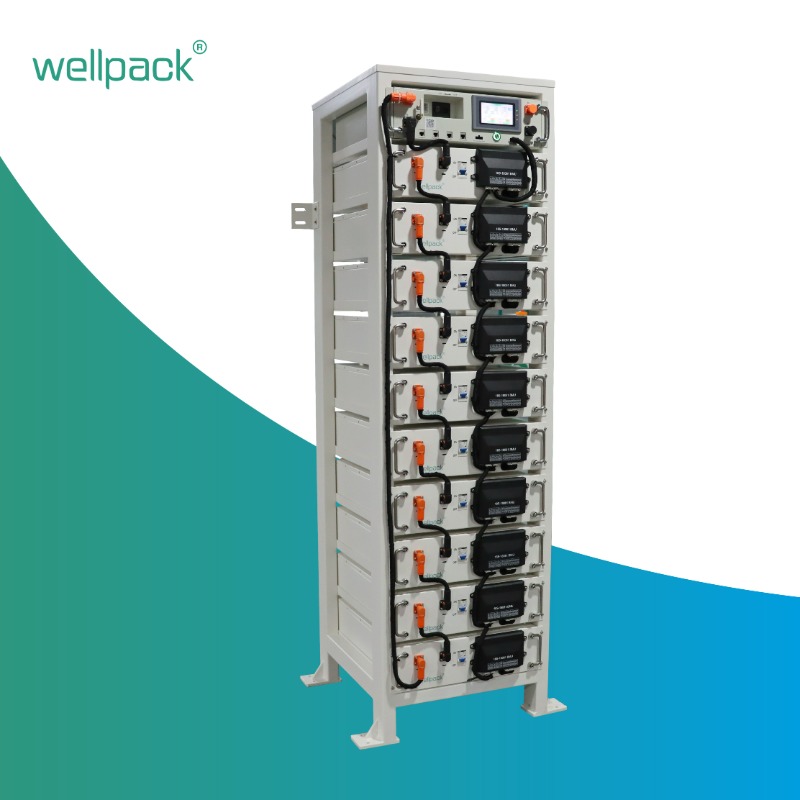
How Commercial Battery Energy Storage Works
A commercial battery energy storage system stores electricity for later use. It can charge from the utility grid, solar panels, or other compatible energy sources. An inverter converts electricity between the forms required by the battery and the facility, while an energy management system monitors consumption and controls when the battery charges or discharges.
The system’s value depends on how well its operation matches the facility’s electricity demand, local utility tariffs, and available energy sources. Rather than simply storing as much electricity as possible, businesses need to determine when charging and discharging will produce the greatest financial and operational benefits.
Five Ways Battery Storage Can Save Businesses Money
Reduce Peak Demand Charges
Some commercial electricity bills include demand charges based on the highest power demand recorded during a billing period. A short period of heavy equipment use can therefore increase the monthly bill, even if total electricity consumption remains relatively stable.
Battery storage can discharge during these high-demand intervals to reduce the amount of electricity drawn from the grid. This strategy, known as peak shaving, may lower demand charges when the utility’s billing rules allow the battery to reduce the relevant peak.
For example, a factory that operates several energy-intensive machines at the same time may use stored electricity to help cover the temporary increase in load. The potential savings depend on the size of the peak, the battery’s discharge power and duration, and the utility’s demand-charge structure.
Shift Electricity Use to Lower-Cost Periods
Utilities in some markets offer time-of-use electricity rates, with different prices at different times of day. Electricity may cost less overnight or during other low-demand periods and more during busy hours.
A battery system can charge when electricity prices are low and discharge when prices rise. This process, often called energy arbitrage or load shifting, allows businesses to reduce the amount of expensive electricity they purchase during peak-price periods.
However, the financial benefit is not simply the difference between two electricity prices. Battery charging losses, operating costs, degradation, and tariff restrictions must also be considered. Savings are generally more attractive when the price difference is large enough to cover these additional costs.
Make Better Use of On-Site Solar Power
Businesses with rooftop or ground-mounted solar panels may generate more electricity than they can use during certain hours. Without sufficient storage or another way to use the surplus, some of that energy may be exported to the grid at a relatively low compensation rate or go unused, depending on the installation.
A battery can store excess solar generation and supply electricity later, such as in the evening or during periods when production is low. This increases the proportion of solar energy consumed on-site and may reduce purchases from the grid.
The economic value depends on the difference between the cost of grid electricity and the compensation available for exported solar power. Solar production patterns, battery capacity, system efficiency, and daily consumption all influence the result.
Reduce the Financial Impact of Power Outages
Power interruptions can affect production schedules, damage sensitive processes, interrupt digital services, and create losses when operations must be restarted. For businesses that depend on continuous electricity, these indirect costs may be substantial.
When designed for backup operation, a battery energy storage system can supply selected loads during a grid outage. Depending on its configuration, it may support emergency lighting, communications, essential equipment, control systems, or other priority operations.
Backup capability does not automatically mean an entire facility can continue operating normally. Businesses must assess which loads are essential, how much power they require, how long the outage may last, and whether additional equipment is needed for safe islanded operation. The value of this benefit is measured partly by losses avoided rather than by electricity bill reductions alone.
Participate in Demand Response and Grid Services
In some electricity markets, utilities or grid operators offer programs that reward businesses for reducing grid consumption during periods of high demand or providing approved grid-support services. A battery can help a facility adjust its electricity use without interrupting essential operations.
Depending on local rules and the system’s technical capabilities, possible opportunities include demand response, frequency regulation, or other grid services. Payments may take the form of bill credits, performance-based compensation, or market revenue.
Participation is not available everywhere, and eligibility may depend on minimum system capacity, metering, control equipment, market registration, and contractual requirements. Businesses should verify local program rules and account for any operating costs before including potential revenue in their investment calculations.
What Determines the Cost and Return on Investment?
The initial cost of a commercial battery storage project depends on its usable energy capacity, power rating, battery chemistry, inverter, control system, safety equipment, installation work, and site requirements. Electrical upgrades, permitting, and grid interconnection can also affect the total investment.
Battery capacity, measured in kilowatt-hours (kWh), indicates how much energy can be stored. Power, measured in kilowatts (kW), indicates how much electricity the system can deliver at a given moment. A business that needs to reduce short demand peaks may require a different configuration from one that needs several hours of backup power.
To estimate the financial return, businesses should compare the project’s total installed cost with its expected annual benefits. These may include reduced demand charges, lower energy costs, greater use of solar electricity, eligible program revenue, and avoided outage losses. Battery efficiency, degradation, maintenance, replacement costs, financing, and incentives should also be included.
The payback period varies considerably by location and application. A facility with high demand charges and large differences between peak and off-peak prices may achieve a better return than a site with flat electricity rates and limited daily demand variation. No single savings percentage or payback period applies to every business.
How to Evaluate a Commercial Battery Storage Project
Before investing, businesses should review electricity bills and interval consumption data to identify when demand peaks occur and how much electricity is used throughout the day. They should also check the utility’s tariff structure, available solar generation, outage risks, and any local demand response or grid-service programs.
Next, the business should define its main objective. Reducing peak demand, shifting energy purchases, maximizing solar self-consumption, and providing backup power may require different battery capacities, discharge durations, and control strategies. Trying to optimize every application at once may increase costs without delivering proportional benefits.
Finally, businesses should compare the total project cost and realistic operating scenarios rather than relying solely on estimated savings from equipment suppliers. A financial model based on actual site data can help determine whether battery storage is economically justified and which operating strategy is most suitable.
Conclusion
Commercial battery energy storage can help businesses manage electricity expenses by reducing peak demand, shifting consumption to lower-cost periods, storing surplus solar power, limiting losses during outages, and participating in eligible grid programs. Its financial value depends on local electricity tariffs, operating patterns, system design, and installation costs.
The most effective approach is to start with actual energy consumption data, identify the largest cost or reliability challenges, and evaluate the battery system against those specific needs. With appropriate sizing and an operating strategy aligned with the facility’s energy profile, battery storage can become a useful part of long-term energy cost management.