 WellPack
How Off-Grid Solar Systems Work: Key Components Explained
<p>Over the past decade, the cost of solar power has dropped dramatically, making energy independence a realistic goal for more households and remote properties. Off-grid solar systems are expected to bring electricity to nearly 400 million people worldwide by 2030. But a reliable off-grid setup is more than just a few panels on a roof—it is a carefully balanced network of components that capture, regulate, store, and deliver power. Understanding each piece is the first step toward building a system that works when you need it most.</p>
<h3>Why Off-Grid Systems Demand a Complete Component Chain</h3>
<p>An off-grid solar system must stand entirely on its own. Unlike grid-tied installations that can draw supplementary power from the utility, an off-grid property has to generate every watt it consumes and store enough reserve for nights, cloudy days, and emergencies. That is why each component matters: a weak link in any stage—generation, control, storage, or conversion—can compromise the entire system.</p>
<h4>1. Solar Panels — The Energy Source</h4>
<p>Solar panels sit at the heart of any off-grid system. Through photovoltaic (PV) cells, they convert sunlight into direct current (DC) electricity. The three common types are:</p>
<p><strong>Monocrystalline:</strong> highest efficiency and longest lifespan, ideal for limited space.<br>
<strong>Polycrystalline:</strong> lower cost with slightly reduced efficiency.<br>
<strong>Thin-film:</strong> lightweight and flexible, but generally less efficient.</p>
<p>When selecting panels, consider wattage, conversion efficiency, and durability under local environmental conditions.</p>
<h4>2. Charge Controller — The Guardian of Your Battery</h4>
<p>The charge controller manages the flow of electricity from the panels to the battery bank. Its job is to prevent overcharging and deep discharging—two conditions that can permanently damage batteries. There are two main technologies:</p>
<p><strong>PWM (Pulse Width Modulation):</strong> cost-effective and dependable for smaller systems.<br>
<strong>MPPT (Maximum Power Point Tracking):</strong> more sophisticated, harvesting maximum energy from the panels even in changing weather or light conditions.</p>
<h4>3. Battery Bank — Your Energy Reserve</h4>
<p>Solar batteries store surplus electricity for use when the sun is not shining. Capacity is measured in kilowatt-hours (kWh), and proper sizing is critical to cover your energy needs during low-solar periods.</p>
<p>Traditionally, lead-acid batteries were the default choice. While cheaper upfront, they require regular maintenance, last far fewer cycles, and should not be discharged beyond 50% to avoid damage. Lithium batteries—especially lithium iron phosphate (LiFePO₄)—offer higher efficiency, lighter weight, deeper discharge capability, and significantly longer lifespans, making them the preferred choice for modern off-grid systems.</p>
<h4>4. Inverter — From DC to Usable AC Power</h4>
<p>The inverter converts DC electricity from the panels or battery bank into alternating current (AC) that powers standard household appliances. The main types include:</p>
<p><strong>Pure Sine Wave:</strong> delivers clean, stable power safe for sensitive electronics.<br>
<strong>Modified Sine Wave:</strong> cheaper but less efficient and incompatible with some devices.<br>
<strong>Hybrid Inverters:</strong> integrate solar, battery, and grid inputs for greater flexibility.</p>
<h4>5. Monitoring System — Real-Time Visibility</h4>
<p>Monitoring systems track energy production, storage levels, and consumption in real time. Advanced setups offer remote monitoring through mobile apps, allowing users to spot issues early and optimize usage patterns.</p>
<h4>6. Wiring and Mounting Hardware — The Foundation of Safety</h4>
<p>Proper wiring ensures seamless power flow between all components, while sturdy mounting structures secure the panels at the correct angle and orientation for maximum sun exposure. Both are essential for safe, long-term operation.</p>
<h4>7. Appliances and Load Management</h4>
<p>Because off-grid systems rely entirely on stored energy, using high-efficiency appliances and managing loads wisely helps avoid unnecessary battery drain. LED lighting, Energy Star-rated devices, and smart load prioritization keep critical equipment running when energy is limited.</p>
<h3>Planning Considerations Before You Build</h3>
<p><strong>Energy Assessment:</strong> Calculate your daily consumption to size the system correctly.<br>
<strong>Weather Patterns:</strong> Local climate determines how much solar and storage capacity you need.<br>
<strong>Scalability:</strong> Choose a design that allows future expansion as your energy demands grow.<br>
<strong>Maintenance:</strong> Regular inspections keep the system performing at its best for years.</p>
<h3>A Modern All-in-One Option: Wellpack 16.07kWh Residential Solar Energy Storage Solution</h3>
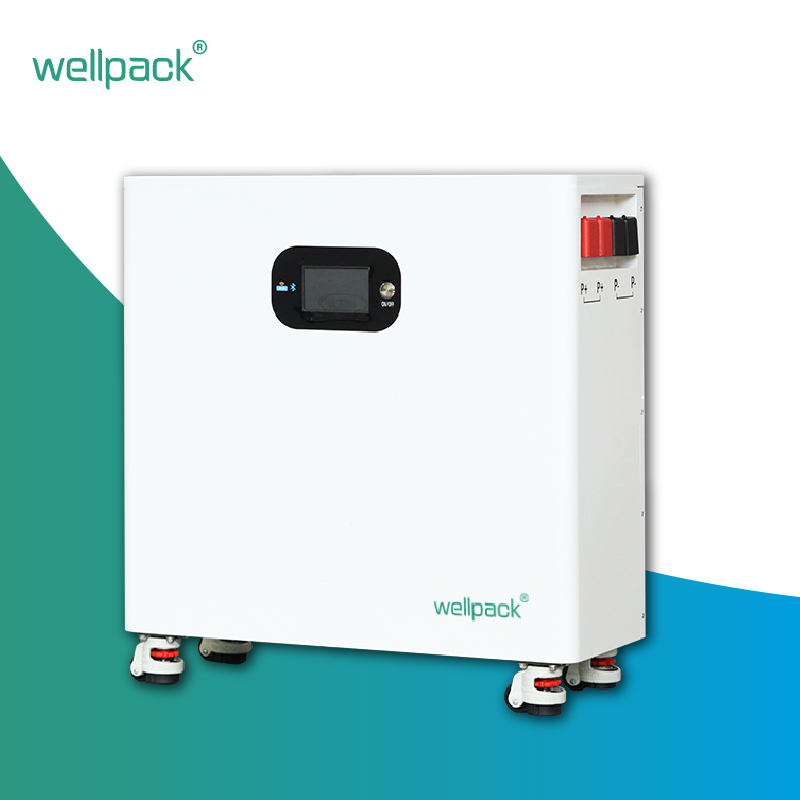
<p>For homeowners seeking a streamlined path to energy independence, the Wellpack 16.07kWh Residential Solar Energy Storage Solution integrates the core components described above into a single, plug-and-play unit.</p>
<p>The system pairs a 12kW off-grid pure sine wave inverter with a 16.07kWh LiFePO₄ battery (51.2V / 314Ah) and eight 590W photovoltaic panels, delivering a total solar input capacity of up to 18kW across dual MPPT circuits. Key features include:</p>
<p>• <strong>True plug-and-play design</strong> — no electrician or permits required<br>
• <strong>LiFePO₄ chemistry</strong> — 3,000 to 5,000 charge cycles, equal to 8–10+ years of daily use<br>
• <strong>Automatic backup switching</strong> — keeps appliances running seamlessly during outages<br>
• <strong>Smart monitoring</strong> — on-unit display plus free mobile app with no subscription<br>
• <strong>Modular expansion</strong> — capacity can be extended as needs grow</p>
<p>By combining safe lithium storage, intelligent battery management, and solar compatibility in one compact cabinet, this all-in-one solution addresses the seven core component categories outlined above—making off-grid power simpler to deploy and easier to live with.</p>