 WellPack
The Lifespan and Maintenance of Household Energy Storage Batteries
When you install household energy storage, the biggest practical question is how many years of reliable service you can expect before performance starts to drop. Most modern systems built with LiFePO4 chemistry deliver 10 to 15 years of everyday use under normal conditions. This timeline comes from a combination of cycle life and calendar aging. A quality household energy storage battery typically handles 4,000 to 6,000 full charge-discharge cycles before capacity falls to around 80 percent of its original rating. If your home draws power from the battery once or twice a day, that cycle count easily stretches across a decade or more.
Calendar aging matters just as much as cycling. Even if you use the system lightly, the internal chemistry slowly loses efficiency over time. Heat accelerates this process, while moderate temperatures slow it down. For household energy storage users who want straightforward answers, expect solid performance for at least eight years with daily cycling and up to 15 years with lighter use. The exact number depends on how you treat the battery, but the good news is that today’s systems require far less babysitting than older lead-acid options.
What Impacts the Lifespan of Your Home Battery System?
Several everyday habits and environmental factors directly shorten or extend the life of your household energy storage batteries. Temperature sits at the top of the list. Batteries work best between 15°C and 30°C. Above 35°C, internal reactions speed up and capacity fades faster. Below freezing, charging efficiency drops and the system may limit power output to protect itself. If your garage or utility room gets hot in summer or cold in winter, simple insulation or a small fan can make a measurable difference.
Depth of discharge is another key variable. Repeatedly draining a household energy storage battery to zero puts extra stress on the cells. Keeping the state of charge between 20 % and 80 % most of the time can nearly double the effective cycle life compared with regular full discharges. Charge and discharge rates matter too. Fast charging at the maximum current every day wears the battery faster than slower, steadier use. Finally, consistent partial cycling—such as storing excess solar power during the day and using it in the evening—actually helps many systems stay balanced and healthy.
Easy Maintenance Practices for Everyday Users
Household energy storage batteries need surprisingly little hands-on care compared with other home systems. A quick visual check every few months is usually enough. Wipe down the exterior to remove dust or debris that could block airflow. Make sure vents remain clear so heat can escape. Check cables and connections for tightness and any signs of corrosion—loose terminals increase resistance and generate extra heat.
Most systems include a built-in battery management system that handles the heavy lifting automatically. Still, you should glance at the display or app once a week to confirm the battery stays within its normal temperature and voltage range. Firmware updates, when available, often improve efficiency and fix minor glitches that could affect long-term performance. If you ever store the household energy storage system for weeks at a time, keep the charge level around 50 percent in a cool, dry spot and top it up every three months. These small steps keep the battery operating at peak efficiency without turning maintenance into a chore.
Addressing Typical Issues in Residential Battery Storage
Even well-cared-for household energy storage systems can show occasional hiccups. The most common complaint is slower or incomplete charging during very hot or very cold weather. The battery management system simply throttles power to stay safe, which feels like a problem but is actually normal protection. Adjusting the charge current or waiting for milder temperatures usually resolves it.
Another frequent issue is gradual capacity loss that feels sudden when you first notice it. All batteries lose a few percent each year; this is expected. If the drop seems faster than 2–3 percent annually, double-check temperature logs and ensure the system is not being asked to cycle deeper than recommended. Communication errors between the inverter and battery sometimes appear as false low-battery warnings. Restarting the system or updating software clears most of these glitches. In short, the majority of issues with residential battery storage have simple, user-level fixes that do not require calling a technician.
Knowing When Your Battery Needs Attention or Replacement
Household energy storage batteries do not fail overnight. They give clear signals when capacity has declined enough to affect daily use. When the system delivers noticeably less backup power during an outage or when your electricity bill savings start shrinking, it is time to run a capacity test. Most manufacturers consider 70–80 percent remaining capacity the point where replacement makes economic sense. At that stage the battery still works, but the return on your original investment begins to fade.
Pay attention to physical signs too. Swelling, unusual odors, or error codes that persist after a restart suggest deeper problems. If the battery is still under warranty, document everything before contacting support. For users planning ahead, budgeting for replacement every 10–12 years keeps household energy storage reliable without surprises. The process is straightforward with modern modular designs that often slide into the same footprint as the old unit.
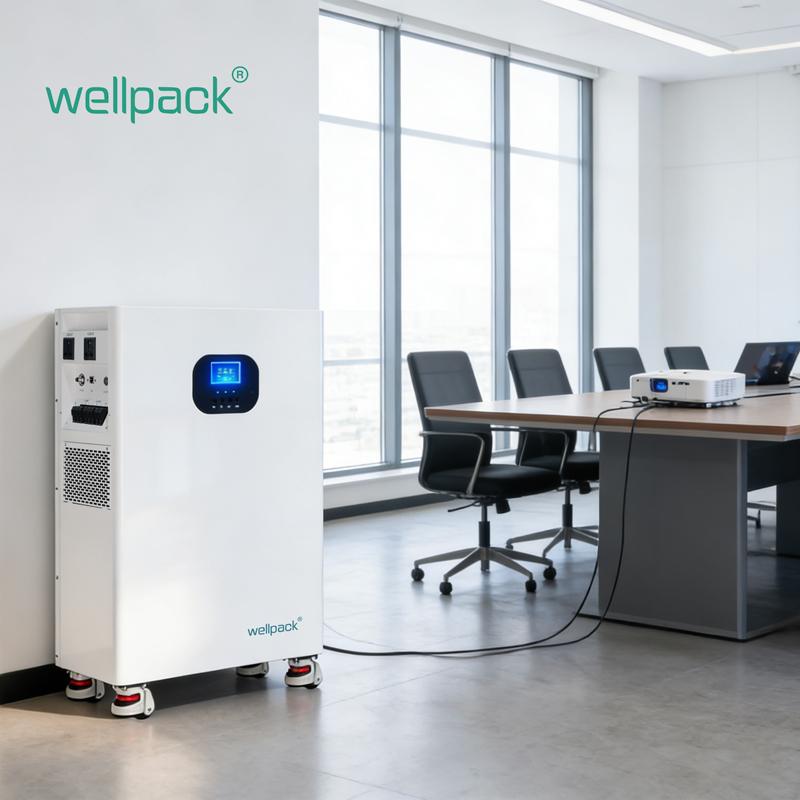
When you are ready for a dependable household energy storage solution that combines long life with almost zero maintenance hassle, the Wellpack All-in-One Home Energy Storage System stands out. Available in 5 kWh, 10 kWh, and 16 kWh capacities, these units use safe LiFePO₄ cells with a built-in BMS that delivers at least 4,000 cycles—translating to 8–10+ years of daily household use. The true plug-and-play design means no electrician or permits are needed; simply wheel it into place, connect it, and start saving. A clear digital display plus a free mobile app gives real-time monitoring of voltage, current, power, and temperature from anywhere. High discharge currents handle heavy home loads without strain, while automatic backup mode keeps appliances running smoothly during outages. Compact, mobile, and compatible with most solar inverters, the Wellpack system removes the usual headaches of residential battery storage while delivering reliable performance year after year. Check the full details and choose the right size for your home at https://www.wellpackbattery.com/5kwh-10kwh-16kwh-wellpack-all-in-one-home-energy-storage-system/.