 WellPack
High Voltage Rack Battery Payback Period Explained
Why Payback Period Matters
When you’re looking at a high voltage rack battery for your business or home, the first question isn’t usually about specs. It’s about money. How long will it take for this battery to pay for itself? That’s what we call the payback period.
A typical commercial or industrial battery system costs tens of thousands of dollars upfront. Even with falling prices, it’s still a serious investment. You want to know when you’ll start seeing real savings on your electricity bills. For most buyers, a payback period of 3 to 5 years is considered attractive. Anything longer than 7 years might make you think twice.
The good news is that high voltage rack batteries are becoming more efficient and affordable. With the right setup, many users see their investment come back faster than expected. But the exact number depends on several things you need to understand before buying.
Key Factors That Drive ROI
Your payback period isn’t set in stone. It changes based on your specific situation. Here are the main things that affect how quickly your high voltage rack battery pays off:
Energy prices in your area. This is the biggest factor. If you’re paying high rates per kilowatt-hour, every unit of stored energy saves you more money. In places like California or parts of Europe where electricity is expensive, payback periods can drop below 3 years. In areas with cheap power, it might take longer.
Your usage patterns. Do you run heavy equipment during peak hours? Does your facility have big power demands at certain times? A high voltage rack battery shines when you can shift load from expensive peak times to cheaper off-peak periods. The more you can shift, the faster your payback.
Cycle life matters a lot. A battery that lasts 6000 cycles gives you roughly 16 years of daily use. That means even if your payback period is 5 years, you still get over a decade of free savings afterward. Lifepo4 batteries with 6000+ cycles are now common, making them a much better long-term bet than older chemistries.
System efficiency. Not all the power you put into a battery comes back out. Round-trip efficiency of 90% or higher is standard for modern systems. Lower efficiency means you waste more energy, which stretches your payback period.
Maintenance and replacement costs. Some batteries need regular upkeep. Others are almost maintenance-free. Factor in any ongoing costs when calculating your true return.
How to Calculate Your Numbers
You don’t need to be an accountant to figure out your payback period. Here’s a simple way to estimate it:
First, add up your total upfront cost. This includes the battery pack, inverter if needed, installation, wiring, and any permits. Let’s say that comes to $15,000 for a 51.2kWh system like the one mentioned later.
Next, figure out your annual savings. How much will you save by using stored battery power instead of grid power during peak times? If you save 3,000 per year, then your payback period is 15,000 divided by $3,000, which equals 5 years.
But remember, that’s a rough number. Real savings depend on how often you cycle the battery, local utility rate structures, and whether you have solar panels feeding into the system. For businesses running operations 24/7, savings tend to be higher because they can charge during cheap night rates and discharge during expensive daytime hours.
A more accurate approach is to look at your actual electricity bill. Find the difference between peak and off-peak rates. Multiply that by how many kWh you plan to shift each day. Then multiply by 365 days. That gives you a solid baseline for annual savings.
Ways to Shorten Your Payback
If the numbers aren’t working in your favor, there are practical steps you can take to speed things up:
Pair your battery with solar. When you generate your own power during the day and store it for evening use, you avoid buying expensive grid power altogether. Solar plus storage often cuts payback periods in half compared to battery alone.
Take advantage of incentives. Many governments offer tax credits, rebates, or grants for energy storage installations. These can knock thousands off your upfront cost. Check what’s available in your region before you buy.
Choose a system with high cycle life. Spending a bit more on a battery that lasts 6000 cycles instead of 3000 is worth it. The longer lifespan means more years of savings after you’ve already paid off the initial investment.
Optimize your charging schedule. Use smart controls to charge only when rates are lowest. Some batteries come with built-in software that automatically does this for you. Every penny saved on charging adds up.
Consider scalability. Start with a smaller system and expand later. This spreads out your capital expenditure while letting you start saving sooner. Modular rack-mounted designs make this easy.
The Bottom Line Recommendation
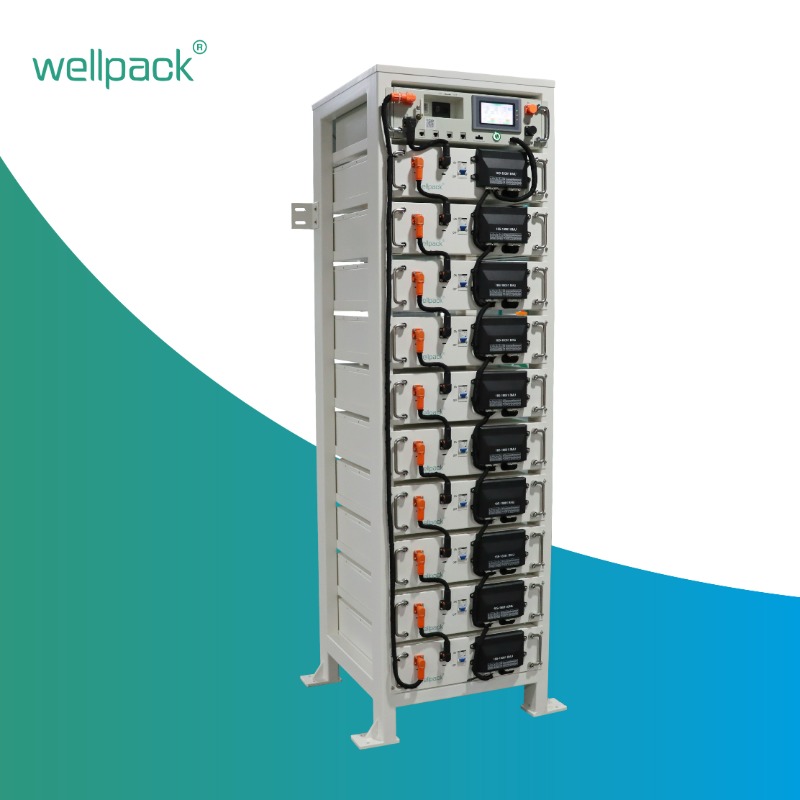
After looking at all these factors, one product stands out for buyers who want a fast payback without compromising on quality. The High-Voltage Rack-Mounted Energy Storage Battery Pack WPC50-01 from Wellpack offers a 51.2kWh capacity at 512V, with over 6000 cycles of life. That means you get reliable performance for 15+ years, well beyond the typical payback window. Its smart BMS protects against overcharging and overheating, keeping your system safe and efficient. The plug-and-play design cuts installation time and cost, which directly improves your payback numbers. And since it works with most global inverters, you won’t face compatibility headaches. For commercial and industrial applications where every dollar counts, this battery delivers the durability and flexibility you need to see returns quickly. If you’re serious about cutting energy costs and want a system that pays for itself within a reasonable timeframe, the Wellpack WPC50-01 is a smart choice worth considering.