 WellPack
Why Home Battery Backup Is Important During Power Outages
What Happens When the Grid Goes Down
Power outages are more common than most people realize. Weather events, aging infrastructure, and increasing demand on the grid all contribute to interruptions that can last anywhere from a few minutes to several days. When the power goes out, the immediate frustration of losing internet and entertainment is just the beginning. Refrigerators stop cooling, medical devices lose power, sump pumps stop working, and heating or cooling systems shut down. For homeowners who work remotely, an outage can mean lost productivity or even missed deadlines. For families with young children or elderly members, the risks escalate quickly.
A home battery backup system addresses these problems before they start. Instead of waiting for the utility company to restore power, a battery system keeps your essential appliances running automatically. The transition happens in milliseconds, so you barely notice the outage occurred. This isn’t about convenience alone, it’s about maintaining safety, comfort, and normalcy when the grid fails.
How Home Battery Backup Actually Works
Understanding how a home battery backup operates helps you make better decisions about what you need. At its core, the system stores electricity for later use. During normal conditions, the battery charges from the grid or from solar panels. When an outage occurs, the system disconnects from the grid and switches to backup mode, drawing power from the stored energy to run your home’s circuits.
Most modern systems use lithium iron phosphate (LiFePO₄) battery cells, which offer several advantages over older lead-acid batteries. LiFePO₄ cells typically last 3,000 to 5,000 charge cycles, which translates to 8 to 10 years or more of daily use. They are also safer, with lower risk of thermal runaway, and more environmentally friendly. The battery connects to an inverter that converts stored DC power into the AC power your home appliances need. A Battery Management System, or BMS, monitors the battery’s health, temperature, and charge levels automatically, protecting the system from overcharging, deep discharge, and other issues.
One common question is whether a battery backup works with solar panels. The answer is yes. In fact, pairing battery storage with solar is one of the most effective ways to maximize your energy independence. During the day, solar panels charge the battery. At night or during an outage, the battery powers your home. This setup reduces reliance on the grid and can significantly lower electricity bills over time.
Sizing Your Battery Backup Right
Choosing the right capacity for your home battery backup is where many homeowners get stuck. The size you need depends entirely on what you want to keep running during an outage. A small system might power lights, a refrigerator, and a few outlets for charging devices. A larger system can handle air conditioning, electric stoves, well pumps, and even electric vehicle charging.
To figure out your needs, start by listing the appliances you consider essential. Check their wattage ratings, usually found on the appliance label or in the manual. Multiply the wattage by the number of hours you expect to run each appliance during an outage. This gives you a rough estimate of the total watt-hours you need. A 16 kWh battery, for example, can power a typical refrigerator (about 150-200 watts) for roughly 80 hours, or run a 1,500-watt space heater for about 10 hours. Keep in mind that you don’t need to power everything at once. Most homeowners prioritize a subset of circuits and leave non-essential loads off during an outage.
Another factor to consider is whether you want the system to support whole-home backup or just critical loads. Whole-home backup requires a larger battery and a more powerful inverter, but it offers the most seamless experience. Critical-load backup is more affordable and still covers the essentials. Many systems are modular, meaning you can start with a smaller capacity and expand later as your needs or budget grow.
Installation, Maintenance, and What to Expect
The installation process for a home battery backup varies depending on the system you choose. Traditional systems often require a licensed electrician to wire the battery into your home’s electrical panel, which can add significant cost and complexity. However, newer systems are designed with plug-and-play functionality that simplifies the process considerably. With a true plug-and-play system, you simply roll the unit to your desired location and connect it, no electrician or permits needed. This not only saves on installation costs but also makes the system portable, so you can take it with you if you move.
Maintenance requirements are generally minimal with modern lithium-based systems. The Battery Management System handles most of the work automatically, monitoring cell voltages, temperatures, and charge/discharge rates. There’s no need to add water or check fluid levels like with old lead-acid batteries. Most manufacturers recommend a visual inspection of the connections every year or so, but beyond that, the system largely takes care of itself.
One feature worth paying attention to is monitoring. Many systems offer both on-unit displays and mobile apps that let you check your battery’s status from anywhere. Remote monitoring through a free app gives you real-time visibility into charge levels, estimated runtime, and system health. This is particularly useful during an outage when you want to know how much time you have left before the battery needs recharging.
What to Look for in a Home Battery System
When shopping for a home battery backup, several factors separate a good system from a great one. First, consider the battery chemistry. LiFePO₄ is currently the gold standard for residential storage due to its longevity, safety, and environmental profile. Second, look at the inverter’s output power. This determines how many appliances you can run simultaneously. A 12 kW inverter, for instance, can handle most household loads including large appliances.
Third, evaluate the system’s communication capabilities. The best systems work with most solar inverters and home automation platforms, giving you flexibility now and in the future. Fourth, check for smart features like automatic protection, mobile monitoring, and display visibility. These might seem like nice-to-haves, but they make a real difference in daily usability.
Finally, don’t overlook the physical design. A compact, all-in-one unit takes up less space and requires no external components, which matters when floor space is at a premium. Portability is another underrated feature, systems with wheels can be moved as needed, whether you’re rearranging your garage or taking the unit to a different property.
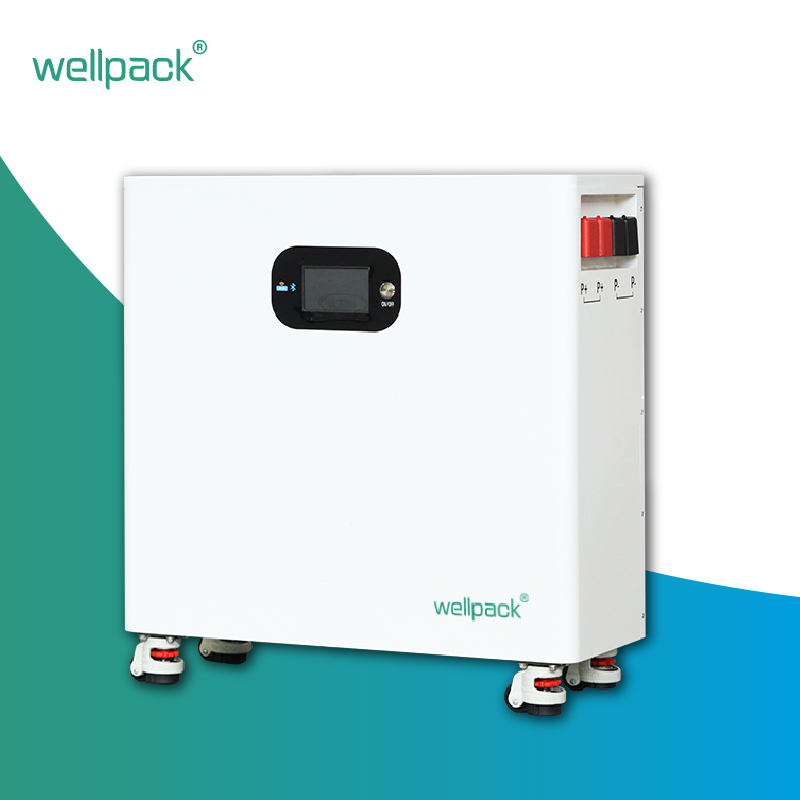
For homeowners looking for a reliable residential solar energy storage solution, the 16.07 kWh system from Wellpack checks all these boxes. It features a 12 kW pure sine wave inverter, 48V LiFePO₄ battery with 314Ah capacity, and a compact all-in-one design that measures just 660×250×685mm. The system supports both solar and grid charging, with dual MPPT circuits handling up to 9,000W of PV input each. What sets it apart is the true plug-and-play operation, no electrician required, and the smart BMS that provides automatic protection without any manual intervention. The free mobile app and on-unit display give you dual visibility into your energy status, while the multi-protocol communication ensures compatibility with most solar inverters and home automation systems. With a cycle life of 3,000 to 5,000 charges, this system is built to last 8 to 10 years or more. Whether you’re preparing for storm season or simply want to reduce your dependence on the grid, this Wellpack solution delivers the performance, safety, and convenience that modern homeowners need.