 WellPack
Can You Add a Home Energy Storage to Existing Solar
You already have solar panels on your roof. They generate power during the day, but come evening, you’re still drawing from the grid. That’s the moment most homeowners start wondering: can I add home battery storage to my existing solar setup? The short answer is yes. In most cases, you can retrofit a battery to an existing solar system without replacing your panels or starting from scratch.
Adding a battery to an existing solar system is what the industry calls a “retrofit.” It’s a common upgrade that more and more homeowners are making. The process is usually straightforward, though the exact approach depends on what equipment you already have. The good news is that nearly every existing residential solar system can accept battery storage.
Before you go any further, take a quick look at your current setup. Check what type of inverter you have, how old it is, and whether your solar panels are still performing well. If your system is more than a decade old, you might want to consider a more comprehensive upgrade. But for most systems installed in the last ten years, adding battery storage is entirely feasible.
AC-Coupled vs DC-Coupled – What’s the Difference
When you add home battery storage to an existing solar system, you have two main technical paths: AC-coupled and DC-coupled. This is probably the most important decision you’ll make, so it’s worth understanding the difference.
An AC-coupled system adds a battery with its own built-in inverter on the AC side of your home’s electrical panel. Your existing solar inverter stays exactly where it is, doing what it’s always done. The battery simply connects alongside it. This is by far the most common approach for retrofits. Why? Because it works with nearly any existing solar setup, requires minimal modifications, and doesn’t void your existing warranties.
A DC-coupled system, on the other hand, replaces your existing inverter with a hybrid inverter that manages both the solar panels and the battery on the DC side. This approach offers slightly higher efficiency—typically 95-98% compared to 88-92% for AC-coupled systems. But it also means removing a working inverter, redesigning wiring, and significantly higher labor costs. DC coupling is generally better suited for new installations rather than retrofits.
For most homeowners adding battery storage to existing solar, AC-coupled is the practical choice. It’s simpler, more cost-effective, and gets the job done without unnecessary disruption.
What About Your Existing Inverter
The most common question people ask is whether they need to replace their inverter. Here’s the direct answer: no, you do not need to replace your existing inverter in most cases. An AC-coupled battery system works alongside your current inverter, not instead of it.
That said, there are a few situations where replacing the inverter might make sense. If your inverter is 8 to 10 years old or older, it’s approaching the end of its typical lifespan anyway. In that case, upgrading to a hybrid inverter when you add battery storage could be a smart move—you’re replacing an aging component rather than discarding a perfectly good one. But if your inverter is less than five years old, keep it. Replacing a working inverter just to add storage often increases project costs unnecessarily.
Another factor to consider is whether your current inverter is compatible with the battery you want to add. With AC-coupled systems, compatibility is generally less of an issue because the battery has its own inverter. The battery and your solar system operate independently, which is why this approach works with so many different setups.
Sizing Your Home Battery Storage
Getting the right size for your home battery storage is about matching the battery to your actual needs. Too small, and you won’t get the benefits you’re hoping for. Too large, and you’re paying for capacity you’ll never use.
Start by looking at your energy usage patterns. When do you use the most electricity? If you’re like most households, your highest consumption is in the evening—when the sun has gone down and your solar panels aren’t producing. A battery lets you capture the excess energy your panels generated during the day and use it during those peak evening hours.
For basic outage protection—keeping your refrigerator, lights, Wi-Fi, and a few outlets running—a 10 to 15 kWh battery is typically sufficient. If you want whole-home backup that includes HVAC, cooking appliances, and EV charging, you’re looking at 20 to 40+ kWh.
Another thing to consider: choose a system that allows modular expansion. Your energy needs might grow over time—maybe you’ll add an electric vehicle or heat pump down the road. A scalable battery system lets you start with what you need now and add more later without overhauling the entire setup.
What You Actually Gain From Adding Battery Storage
So what does home battery storage actually do for you? Three things, really.
First, you use more of the solar energy you produce. Without a battery, any excess solar power gets sent back to the grid. With a battery, that excess gets stored and used when you need it. For homes with rooftop solar, battery storage can boost solar self-consumption from around 20% to as high as 80%. That means less reliance on the grid and more value from your solar investment.
Second, you get backup power during outages. When the grid goes down, solar panels alone shut off for safety reasons. A battery keeps your essential appliances running. How long depends on your battery size and what you’re powering, but a typical home battery can keep critical circuits running for 10 to 24 hours.
Third, you save money on time-of-use electricity rates. Many utilities charge higher rates during peak demand hours—typically late afternoon and evening. A battery lets you store energy when rates are low and use it when rates are high. Over time, these savings add up significantly.
A Plug-and-Play Solution Worth Looking At
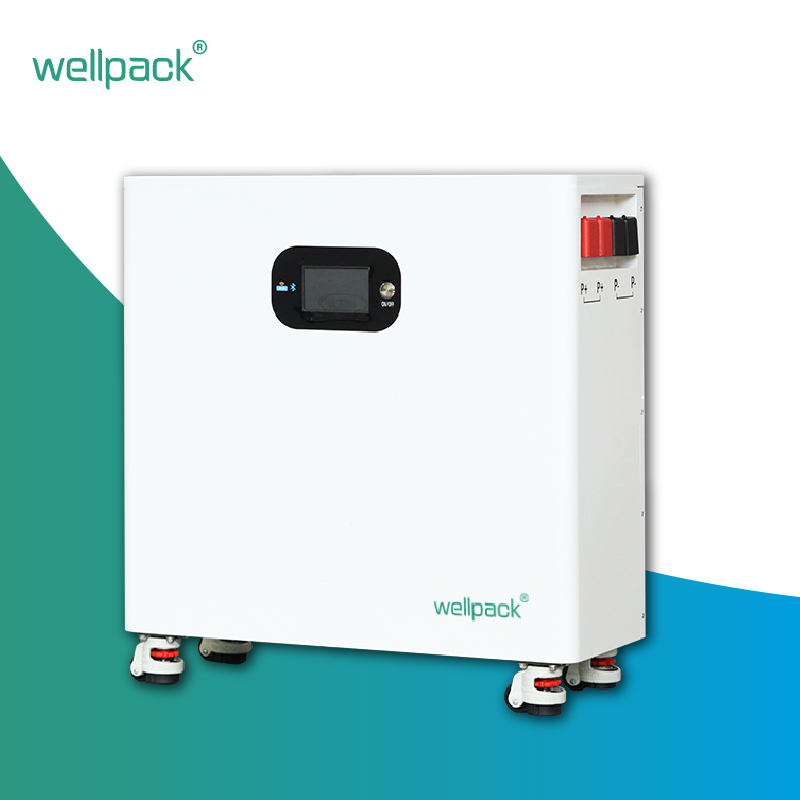
If you’re considering adding home battery storage to your existing solar system, the WellPack 10.54kWh Residential Solar Energy Storage Solution is worth a serious look. It’s a true plug-and-play system that requires no electrician or permits—simply roll it into place and connect. The all-in-one design means a compact footprint with no external components needed. Built with LiFePO₄ technology, it delivers 3,000 to 5,000 charge cycles—that’s 8 to 10+ years of daily use. The smart BMS handles protection automatically, and it works with most solar inverters and home automation systems. You get dual visibility through both the on-unit display and a free mobile app. During outages, it switches to backup mode automatically to keep your connected appliances running. For homeowners who want a simple, reliable, no-hassle way to add battery storage to existing solar, WellPack delivers exactly that.