 WellPack
How To Pick The Right Energy Storage System
Most buyers start by asking which energy storage system fits their home or small workplace. The fastest way to answer that is to match three numbers to your reality: daily electricity consumption, peak power demand, and how often you face outages. A 5-10 kWh home energy storage system covers basic emergency backup for most households, while a 10-20 kWh system supports air conditioning, pumps, and kitchen appliances at the same time. If you ignore power rating and only chase capacity, you may buy a battery that cannot start your heaviest load.
Energy Storage System Cost And Total Value
When people search energy storage system cost, they usually see a headline price and stop there. That number hides the real story. A smarter comparison uses usable capacity instead of rated capacity, asks for cycle life in writing, and confirms whether the inverter is included. A complete home energy storage system with battery, inverter, monitoring, and protection is often a better deal than a cheap battery pack that needs extra components, professional wiring, and later upgrades. Ask suppliers for a written quote that lists usable kWh, warranty years, and after-sales coverage in your region. This single step removes most lowball pricing tricks.
Off-Grid Energy Storage System And Backup Power
An off-grid energy storage system is not just for remote cabins. Many buyers in cities want backup power during grid failures, and many small offices want to keep routers, lights, POS machines, and refrigeration running without interruption. The key is to choose a system that switches quickly, handles the surge of motor loads, and accepts solar charging. If your goal is energy independence, make sure the system supports solar input and has a pure sine wave inverter, because modified wave output can damage sensitive electronics.
| What to check | Why it matters |
| Battery chemistry | LiFePO₄ offers high safety and long cycle life |
| Usable capacity | Determines how many hours of backup you get |
| Inverter power | Must cover starting current of heavy appliances |
| Smart BMS | Protects against overcharge, over-discharge, and temperature risks |
| Monitoring interface | Helps with energy storage system maintenance and service |
Energy Storage System Maintenance Made Simple
Good news for buyers: a modern lithium energy storage system needs very little hands-on care. Most of the work is done by the built-in BMS. Real energy storage system maintenance means checking ventilation, keeping firmware updated, reviewing the app dashboard, and having a supplier who answers when something looks wrong. LiFePO₄ batteries typically deliver thousands of cycles, and with proper environment they serve homes for many years. The bigger maintenance risk is not the battery itself, but buying from a seller with no local support. Always confirm spare parts, remote diagnostics, and warranty response time before you pay.
How To Reduce Risk Before You Buy
Buyers in the evaluation stage should slow down and verify five things. First, ask for the battery cell grade and certification. Second, request the exact inverter type and waveform. Third, compare usable capacity, not marketing capacity. Fourth, confirm the communication ports such as RS485 for monitoring and future integration. Fifth, ask about expansion options so your home energy storage system can grow with your needs. These questions separate serious manufacturers from traders who simply relabel products. When a supplier answers clearly and shows real engineering details, your procurement risk drops sharply.
Wellpack WPH10I-02: A Strong Choice For Homes And Small Workplaces
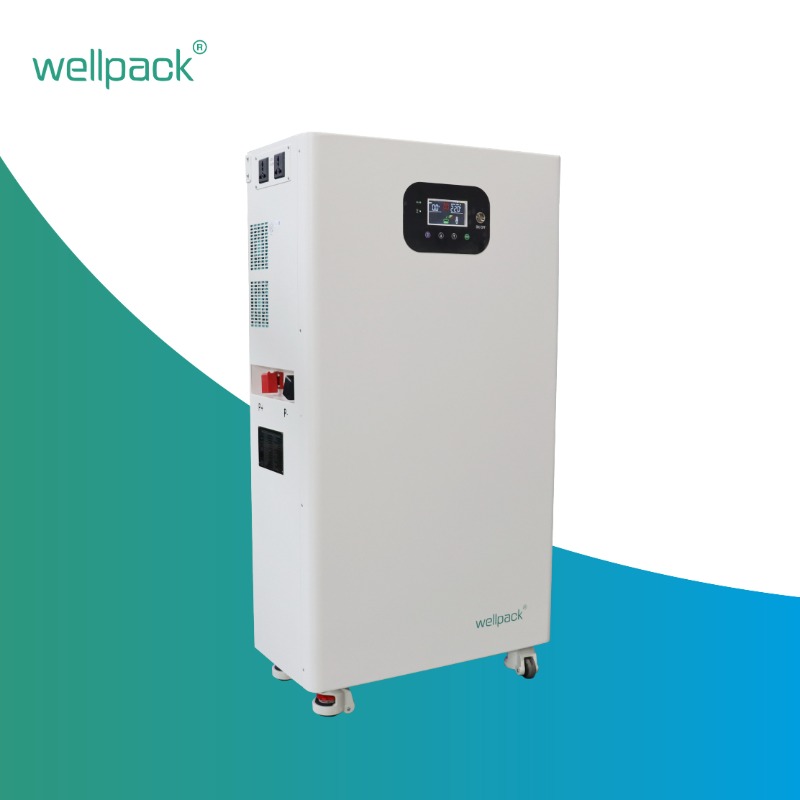
If you want one unit that solves power backup, solar storage, and mobility at the same time, the Wellpack WPH10I-02 is worth a close look. This all-in-one energy storage system integrates a 10.54 kWh LiFePO₄ battery with a 6 kW pure sine wave inverter in a compact, wheeled cabinet. It arrives ready for plug-and-play installation, which lowers labor cost and shortens deployment time. The unit uses brand-new grade-A LiFePO₄ cells and an intelligent BMS that provides eight layers of protection, including overcharge, over-discharge, overcurrent, short circuit, and temperature extremes. Dual RS485 ports allow real-time status monitoring, and the modular design makes capacity expansion straightforward. For families, small offices, clinics, shops, or anyone who needs reliable backup power with low setup friction, the WPH10I-02 hits the right balance of safety, power, and convenience. If you are planning procurement or want a tailored configuration, contact Wellpack for a quote and technical consultation.